

Customer Service Matters
May 13, 2026
Across manufacturing and packaging, businesses continue to navigate freight volatility, raw material pressures, and shifting supply conditions. In this environment, customer service becomes more than a front-end experience. It becomes part of supply confidence.
That is especially true in packaging. Closures and packaging components are often judged by price, availability, and performance, but those factors are only part of the picture. The experience behind the product also matters. How quickly questions are answered, how clearly lead times are communicated, how realistically issues are handled, and how easily customers can speak to the right people all shape the strength of a supply relationship.
In stable conditions, these things can be easily overlooked, but in more volatile conditions, they become much harder to ignore. For businesses working with petroleum-based plastics and globally influenced supply chains, market pressure can flow through quickly. Resin costs, freight conditions, shipping timelines, and production planning can all be affected by events beyond anyone’s control. When that happens, customers do not just need a product. They need communication, clarity, and confidence.
This is where customer service proves its value. Good service in packaging is not about scripted replies or polished language. It is about being accessible, responsive, and commercially realistic. It is about helping customers plan ahead, understand their options, and make informed decisions with fewer surprises. It is about giving honest information early, rather than explanations late.
When markets are uncertain, that kind of support matters. It can help customers manage timing more effectively, improve visibility around orders and production planning, and reduce friction when changes need to be made. It also creates a stronger sense of accountability, which becomes even more important when supply chains are under pressure.
At Caps & Closures, we believe customer service should be practical, direct, and grounded in real support. That means being available when customers need answers, maintaining regular contact, and backing conversations with local knowledge and manufacturing understanding. It also means recognising that service is not separate from performance. It is part of it.
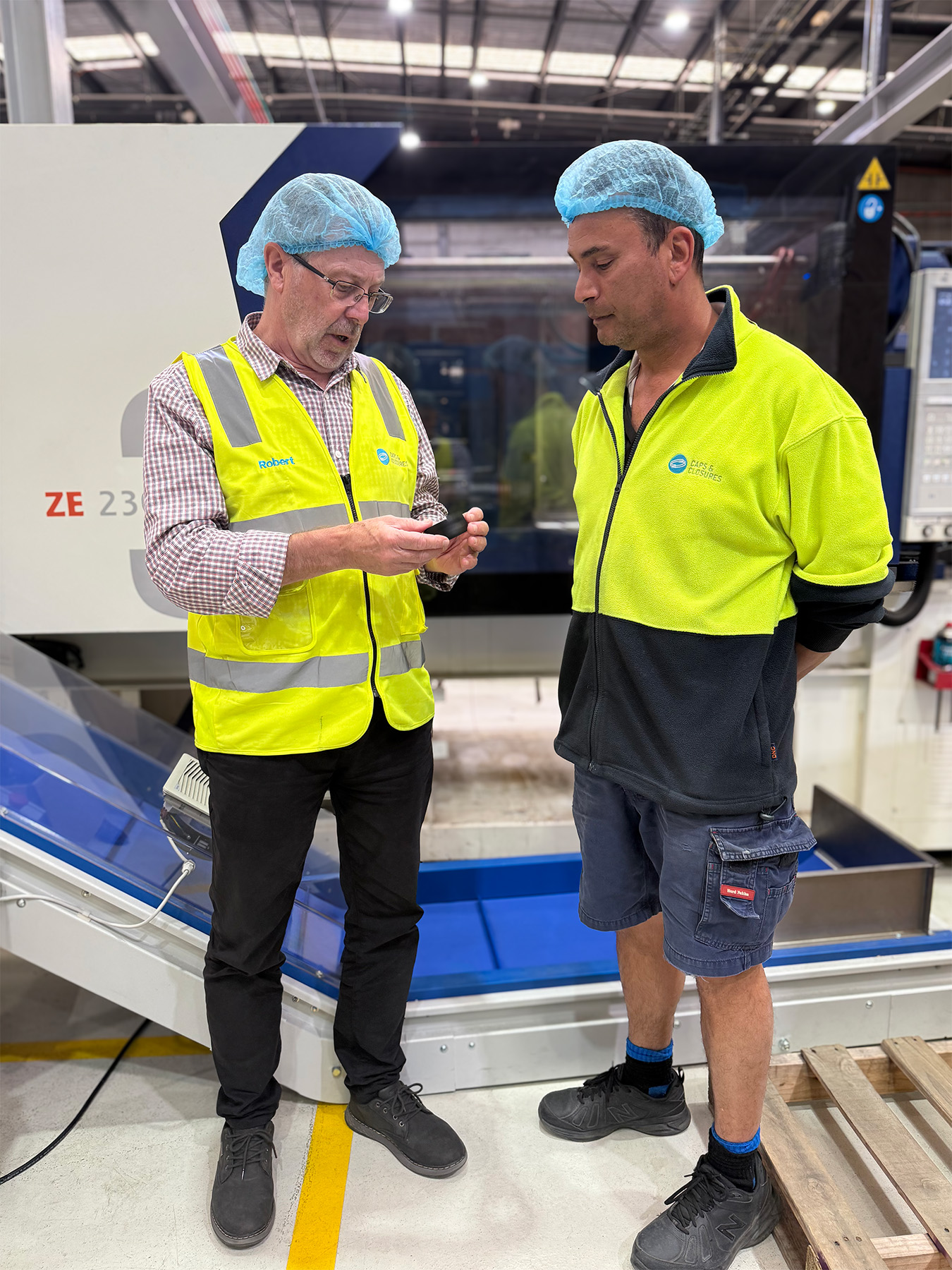
This is also where Australian-made capability continues to matter. Local manufacturing does not remove exposure to global market forces, particularly when key raw materials are linked to energy and petrochemical markets. However, it can make a meaningful difference in how challenges are managed. It shortens the distance between customer and supplier, allows for faster communication, supports clearer accountability, and helps connect decisions more closely to the realities of production.
That proximity has real value. In packaging, timing matters. Continuity matters. Technical understanding matters. When customers are dealing with changing conditions, they benefit from working with people they can reach directly and speak to openly. They benefit from support that is close to the market, close to the customer, and close to the manufacturing process itself.
That is one of the strengths of local service. It is not just about geography. It is about responsiveness, relationships, and knowing that when a question needs answering or an issue needs resolving, there are real people behind the business who understand the urgency and can act on it.
This is why customer service should not be treated as a soft extra in packaging. In many cases, it becomes part of supply resilience. Customers are not simply buying a component. They are relying on the systems, communication, and people around it. They want supply partners who can provide not just product, but consistency. Not just transactions, but support. Not just availability, but confidence.
That expectation is reasonable, and in the current market, it is more important than ever. At Caps & Closures, we see customer service as an active part of the value we provide. It sits alongside quality, innovation, and manufacturing capability. It supports stronger relationships, better communication, and more confident decision-making. It reflects our commitment to doing business in a way that remains practical, responsive, and locally accountable.
Because in uncertain times, customers do not just need supply. They need confidence in the people behind it.