

Helping Food Make the Whole Journey
September 29, 2026
For International Day of Awareness of Food Loss and Waste, we look at how thoughtful packaging can help food stay protected, usable and ultimately enjoyed.
Food deserves to make the whole journey. Before it becomes breakfast, lunch or dinner, an extraordinary amount has already happened. Someone has grown it, harvested it or made it. Water, land, energy and labour have gone into it. It may have been packed, stored, moved across a country, placed on a shelf, taken home and opened more than once.
The best ending is simple; the food gets eaten.
That is the idea behind the International Day of Awareness of Food Loss and Waste (IDAFLW), observed on 29 September by the Food and Agriculture Organisation of the United Nations (FAO) and the United Nations Environment Programme (UNEP).
This year’s theme, “Transformative Potential of Reducing Food Loss and Waste”, asks us to consider what becomes possible when more of the food already being produced fulfils its purpose. FAO describes a triple benefit: better food security and nutrition, less pressure on natural resources and greenhouse gas emissions and greater productivity and economic growth.
The opportunity is significant. An estimated 13% of food produced globally is lost after harvest and before it reaches retail. Of the food that does reach consumers, another 19%, around 1.05 billion tonnes, is wasted through households, food service and retail.
Behind those numbers are millions of ordinary moments when food either continues towards consumption or does not. Packaging is only one part of that much larger system, but it is an important one.
Good food packaging does more than hold something until we are ready for it. It can help protect what has already been produced, communicate useful information as food moves through the supply chain, keep it protected after opening and make it easier for people to use what they have bought.
Sometimes that contribution begins long before the food reaches the table.
Helping food travel well
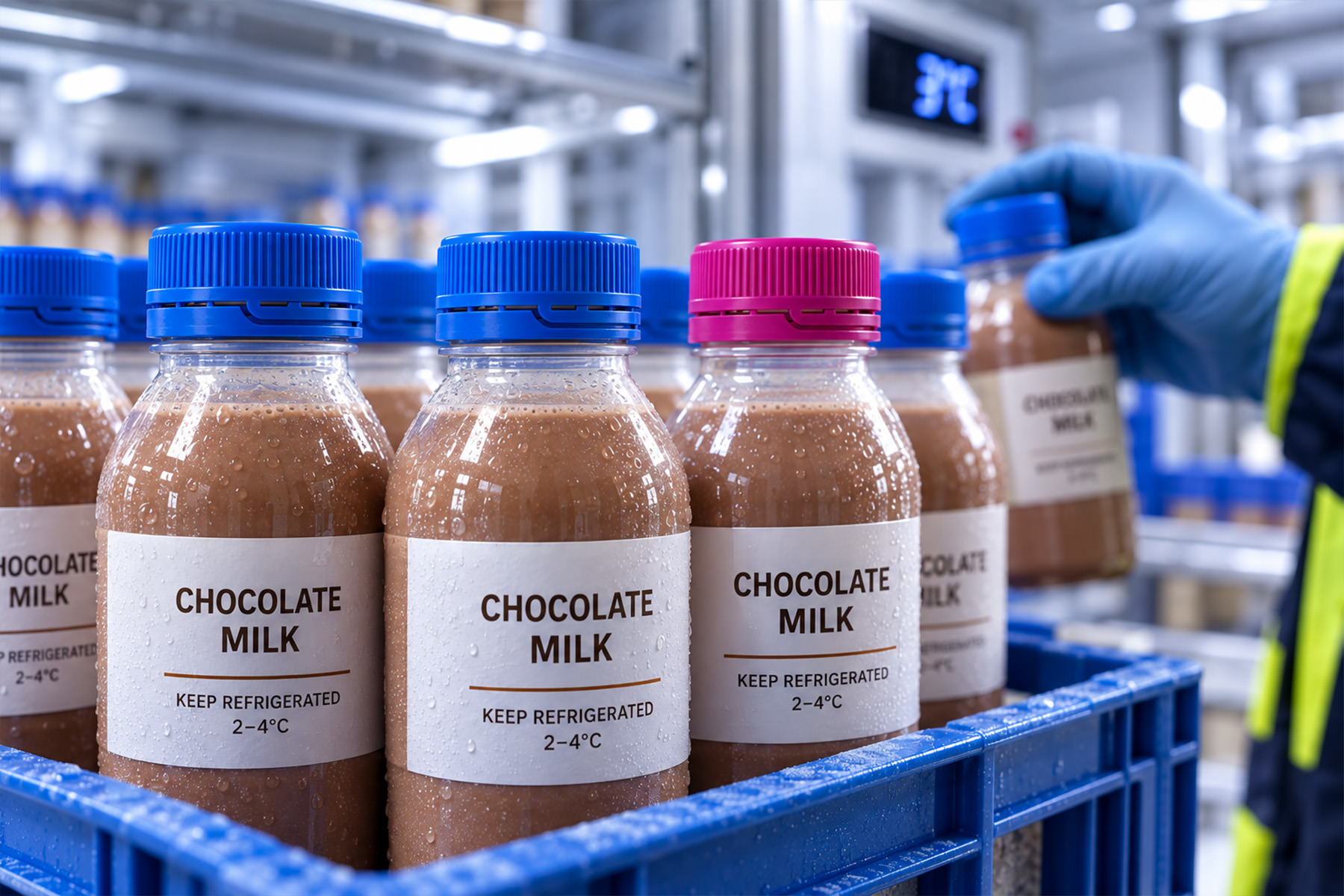
For temperature-sensitive food, conditions matter from the outset. A refrigerated or frozen product can move through processing, transport, warehousing and retail before reaching someone’s fridge or freezer. Maintaining the right conditions across those stages helps protect the quality and intended life of the food.
But useful information also matters. If people can see that conditions have changed, they have an opportunity to respond.
That is the thinking behind ThermoShield, a thermochromic packaging technology that changes colour at a selected temperature. The change can be reversible or, for applications where a lasting indication is useful, designed to remain visible after a temperature threshold has been crossed.
It turns part of the package into a simple visual communicator. In the right application, that indication can give logistics teams, warehouse staff, retailers or consumers an opportunity to act when temperature conditions move outside the intended range. Used well, that information can support appropriate handling, help preserve intended shelf life and reduce avoidable spoilage.
ThermoShield’s contribution to food packaging has been recognised both locally and internationally. It received PIDA Gold for Food Packaging and Save Food Packaging in 2022, then became a 2023 WorldStar winner in Non-Alcoholic Beverages and Silver winner in the WorldStar Packaging that Saves Food Special Award.
The award is not the point. The idea behind it is. Sometimes helping more food get eaten begins with making the invisible visible.
Helping food stay protected
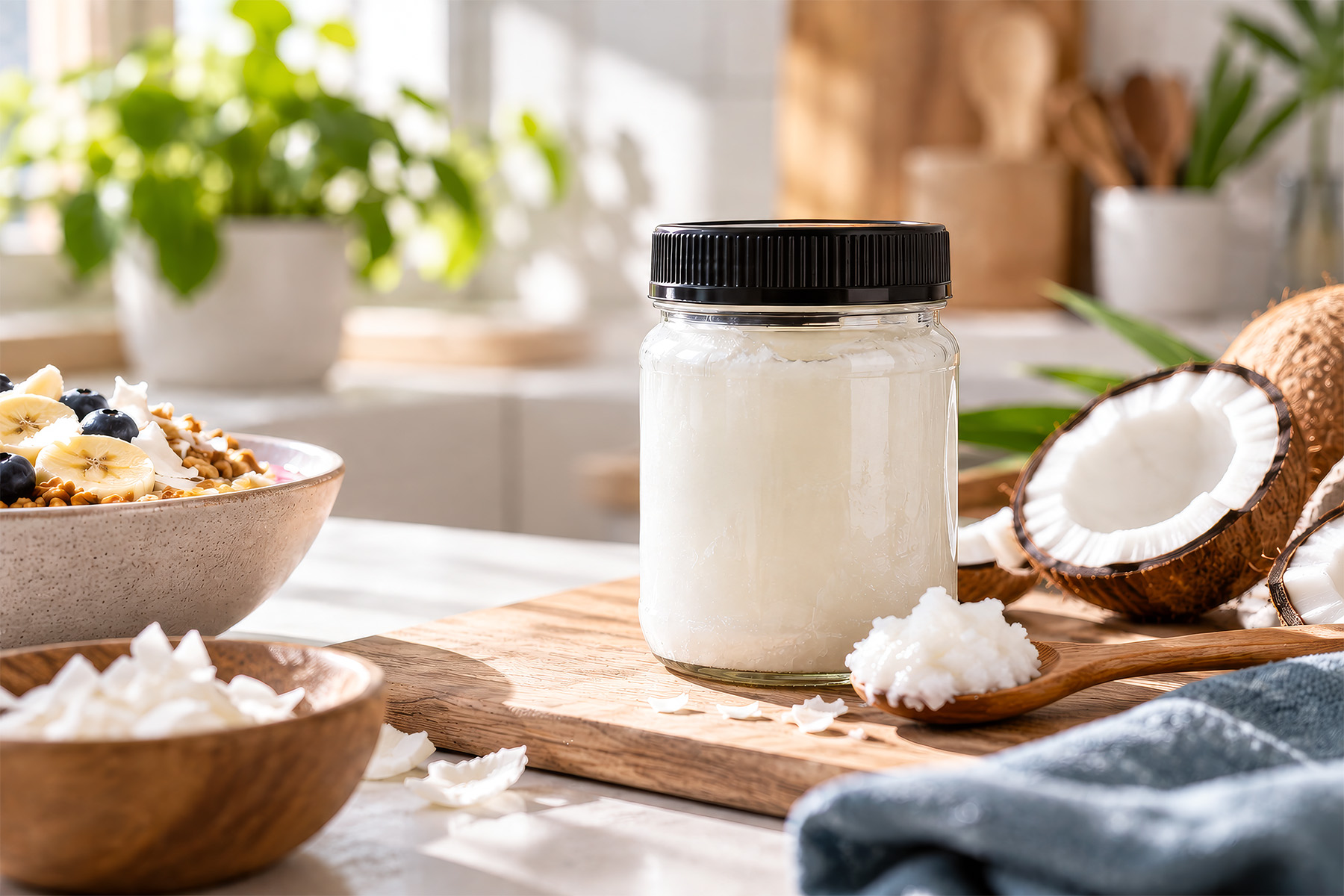
Then there is the food we do not finish at once. A jar might be opened at breakfast, returned to the pantry and opened again tomorrow. And again next week. Between those moments, the packaging still has work to do.
A good closure continues to protect the contents while making repeated use straightforward.
EzyLug brings those two considerations together. Used with an appropriate liner, the closure is designed to maintain a secure barrier around the product through storage and repeated use. Its ribbed profile and rounded form also provide a clear, comfortable gripping surface for opening and closing.
That sounds like a small thing until you consider how often we encounter a jar that needs to be opened, securely closed and opened again before its contents are finished. Packaging that remains easy to use supports the simple behaviour it was designed for: open it, use what you need, close it properly and come back later.
C&C’s in-house testing has supported EzyLug’s easier opening and closing performance, while its accessibility features were recognised with Silver in Accessible & Inclusive Packaging at the 2024 PIDA Awards, alongside a High Commendation in Domestic & Household. EzyLug was also a finalist in the PIDA Save Food Packaging category.
Again, the principle is broader than one closure or one jar. Food packaging keeps contributing after the first opening.

Helping people use what they buy
Eventually, the food reaches the person it was produced for. Here, packaging becomes very personal. Can I open it? Can I control it? Can I get the product out without unnecessary mess? Can I use what I paid for?
Honey makes those questions unusually visible. It is viscous, sticky and slow-moving. A little control makes the difference between a clean drizzle and honey across the bottle, bench and fingers.
The Honey Squeeze Pack approaches the experience as a complete system. The bottle stands cap-down so gravity keeps honey near the dispensing point. A flip-top closure and dispensing valve control the flow and provide a clean cut-off. The intention is not simply to make the pack look different. It is to make using the food inside easier.
In-house trials tested dispensing, leakage and emptying performance. They demonstrated controlled dispensing and effective emptying with minimal honey left behind.
That matters because the last little bit is still food.
Helping someone access more of what they bought is a modest idea, but multiply it across products, households and years and the principle becomes much larger.
The pack also shows how different packaging priorities can work together. It can be produced with varying levels of post-consumer recycled material, including a 100% PCR configuration across bottle, cap and valve.
Packaging that keeps contributing
ThermoShield, EzyLug and Honey Squeeze do very different things. One makes temperature conditions visible. Another helps a package remain secure and easy to use between occasions. The third helps people control dispensing and access more of the contents.
What connects them is not a particular technology. It is the idea that packaging can keep contributing value until the food inside has fulfilled its purpose.
That is also why conversations about sustainable food packaging need to consider more than the package in isolation. Material efficiency, recycled content and recovery matter. So do protection, storage, accessibility, dispensing and the ability to use the contents effectively.
The aim is not more packaging. It is thoughtful packaging that earns its place by doing its job well.
Food deserves to make the whole journey
The International Day of Awareness of Food Loss and Waste belongs to everyone who touches the food system: growers, producers, manufacturers, logistics providers, retailers, packaging businesses, food service operators and, ultimately, all of us who bring food home.
FAO’s message for the day is equally broad: every action to reduce food loss and waste matters.
For the packaging industry, our contribution is practical. We can keep asking whether packaging protects the food entrusted to it, whether it gives people useful information, whether it remains easy to use and whether it helps someone get more of the product out. We can also consider functionality, accessibility and recovery together rather than treating them as separate objectives.
C&C is pleased to join the Australasian Institute of Packaging and others across the food and packaging community in recognising IDAFLW on 29 September.
The most sustainable meal is not only about what was produced. It is also about helping that food make it all the way to the people it was produced for.
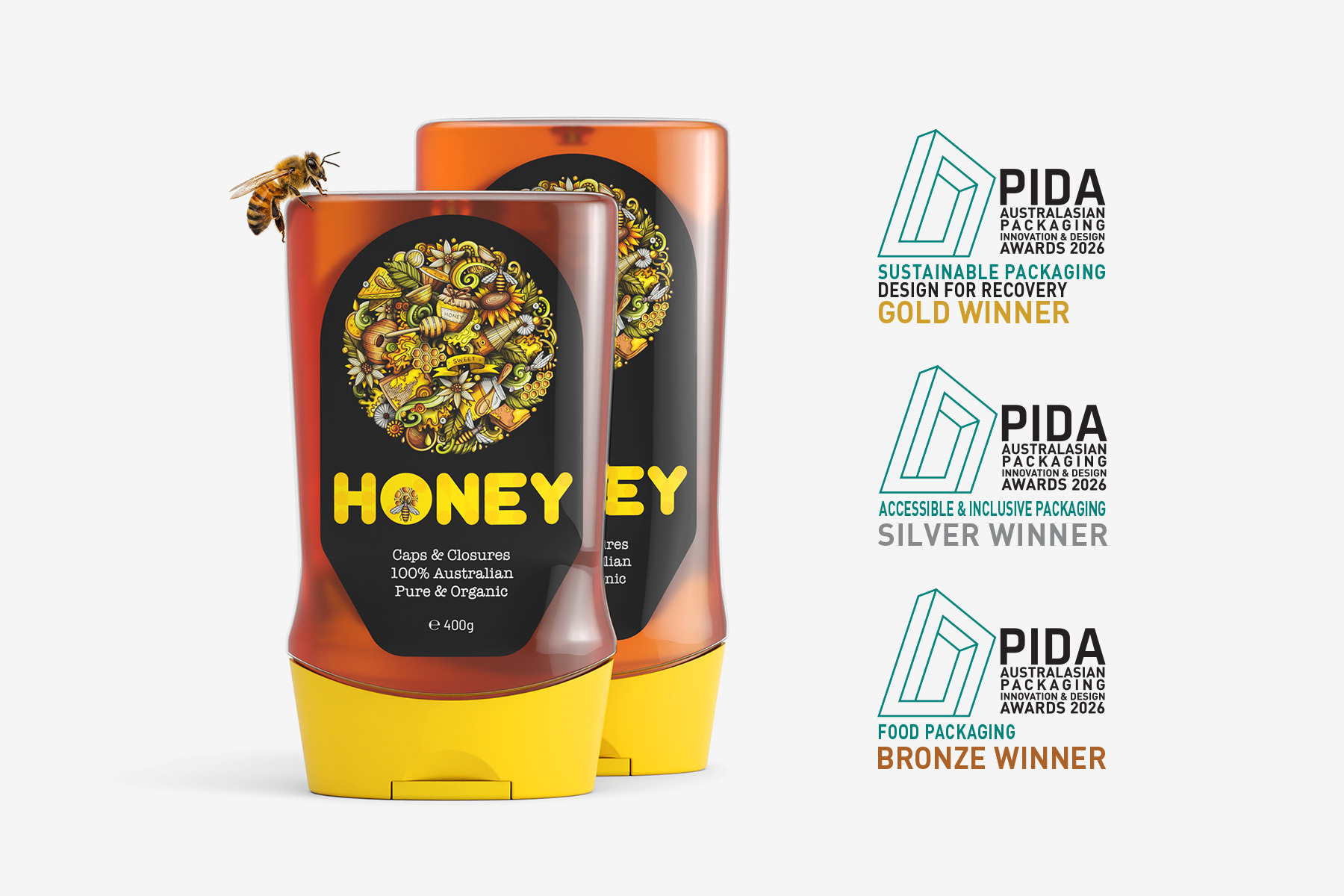 Honey Squeeze Pack wins three awards at PIDA 2026